

Ledebouria Petiolata – Leopard Lily
Ledebouria Petiolata, formerly known as Drimiopsis maculata, is a striking bulbous houseplant admired for its deep green leaves covered in dark spots and markings. Its unusual foliage and compact growth habit make it a favorite among collectors of unique indoor plants.
Bright indirect light helps intensify the leaf spotting and coloration, while its semi-succulent nature makes it relatively easy to care for indoors. During winter, this plant may enter dormancy and temporarily shed leaves before producing fresh new growth in spring.
Light
Prefers bright, indirect indoor light. Brighter light may intensify spotting and foliage coloration. Avoid harsh direct afternoon sunlight, which can scorch leaves.
Soil
Use a well-draining succulent or indoor potting mix with added perlite or bark for improved drainage. Avoid heavy, waterlogged soil.
Water
Allow soil to dry completely between waterings to prevent root and bulb rot. Reduce watering significantly during dormancy.
Temperature & Humidity
Thrives in indoor temperatures of 15–24°C. Prefers low to moderate humidity and benefits from good airflow. Protect from cold drafts and sudden temperature swings.
Fertilizer
Feed monthly during active growth with a balanced liquid fertilizer diluted to half strength. Reduce feeding during dormancy.
Potting & Repotting
Repot every 1–2 years or when bulbs begin crowding the container. Use pots with drainage holes to help prevent excess moisture buildup.
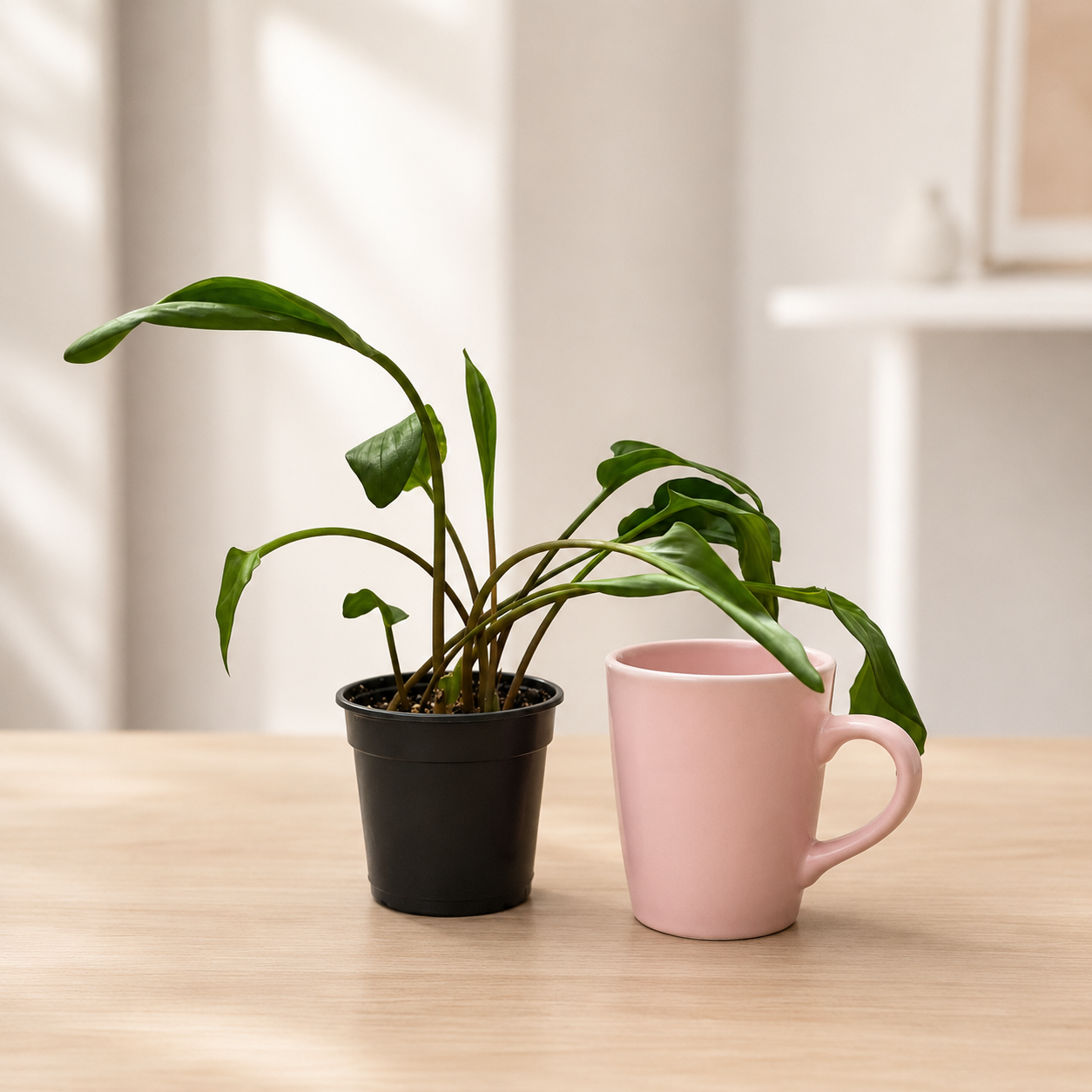
*Please note the plant you receive may not be exactly as pictured*
| Plant Info | Details |
|---|---|
| Botanical Name | Ledebouria Petiolata |
| Sun Exposure | Bright, indirect indoor light |
| Watering | Allow soil to dry completely between waterings |
| Soil Type | Well-draining succulent or indoor potting mix |
| Temperature | 15–24°C indoors |
| Fertilizer | Balanced liquid fertilizer diluted to half strength monthly during growth |
| Humidity | Low to moderate humidity preferred |
| Plant Type | Bulbous semi-succulent houseplant |
| Mature Size | Approximately 35 cm tall and 30 cm wide |
| Flower Color | White to pale green |
| Hardiness Zone | 8–10 (USDA) |
| Toxicity | Toxic if ingested |